Pulse Patterns in Biometric Tracking Reshaping Real-Time Prop Selections Across Major Basketball and Football Overlaps
Drew Butler · Jun 2, 2026
Pulse Patterns in Biometric Tracking Reshaping Real-Time Prop Selections Across Major Basketball and Football Overlaps
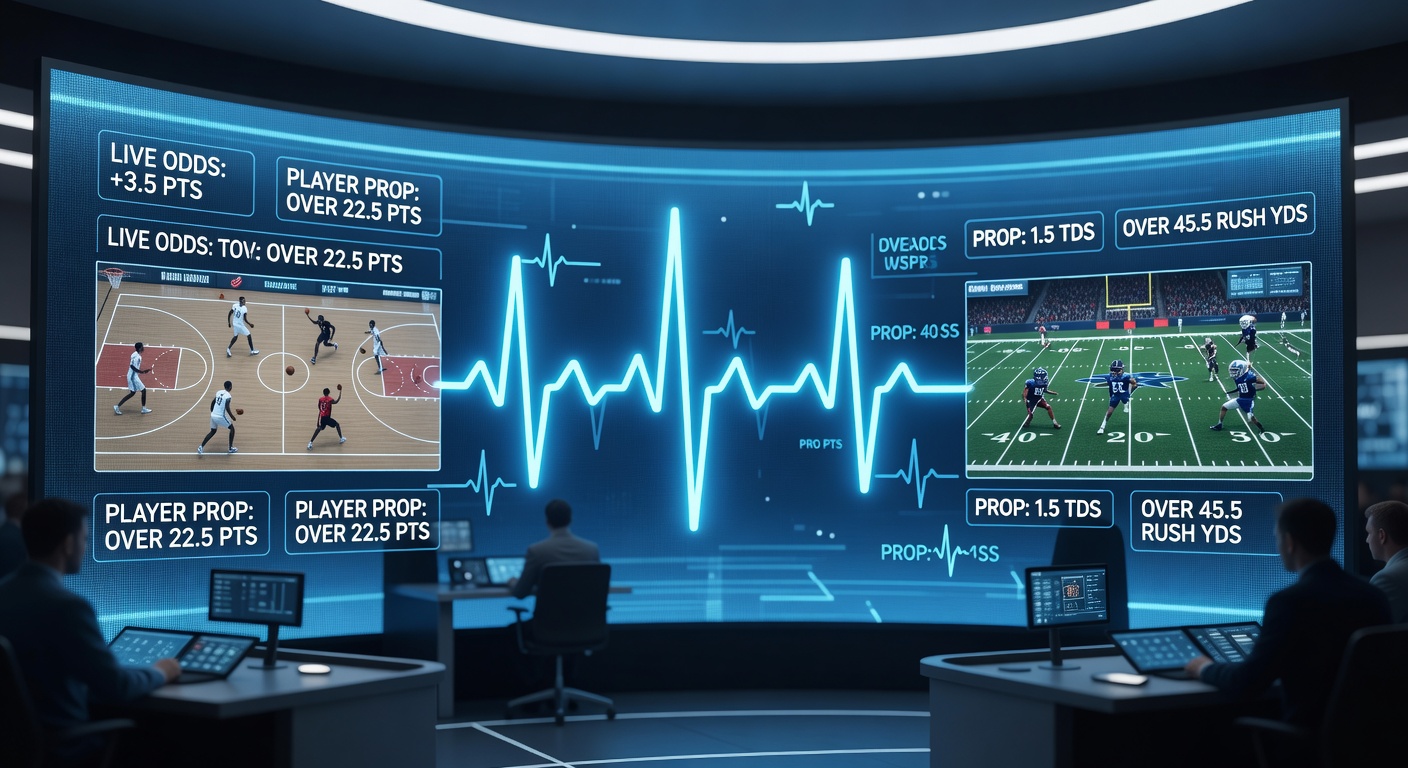
Biometric tracking systems now feed pulse pattern data directly into sportsbooks and analytics platforms that adjust prop bets during simultaneous basketball and football schedules. Wearable devices record heart rate variability and recovery metrics from athletes in both the NBA and NFL, then transmit that information to models that recalculate over-under lines on player points, rebounds, touchdowns and yardage totals in real time.
Wearable Data Streams Meet Overlapping Seasons
June 2026 marks the first full overlap period where several major sportsbooks have integrated live biometric feeds from both leagues into the same prop engine. Sensors placed in compression sleeves and chest straps collect beat-to-beat intervals that feed into algorithms capable of detecting fatigue spikes within thirty seconds of a shift in heart rate. When a basketball player’s pulse pattern shows elevated recovery time after back-to-back games, models automatically nudge prop lines on assists and three-point attempts before the next quarter begins.
Real-Time Adjustments in Basketball Prop Markets
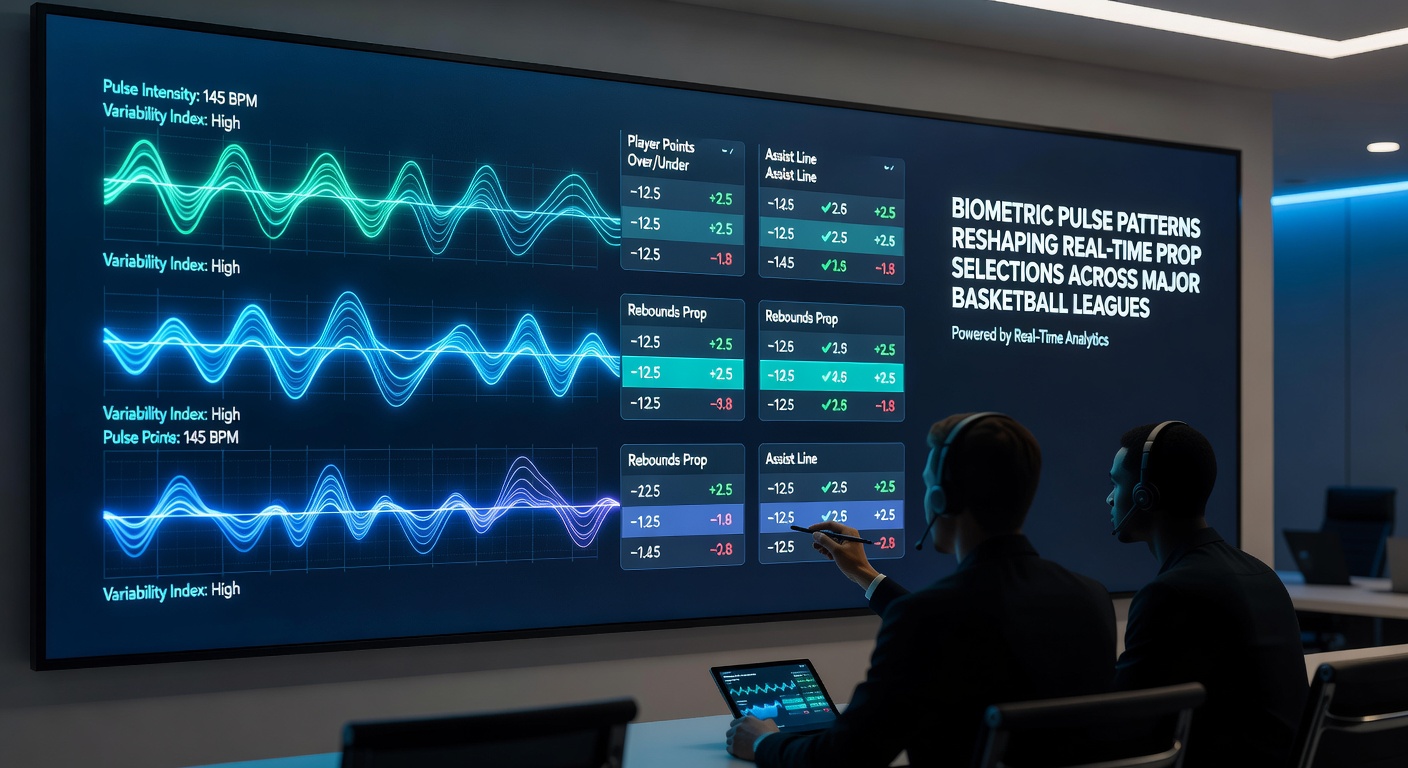
Analysts at data providers have documented how pulse variability correlates with shooting efficiency during the second half of NBA contests that run alongside Thursday Night Football windows. A player whose resting heart rate remains above baseline for more than four minutes receives an automatic downward revision on projected points in several major betting interfaces. These adjustments occur without human intervention once the threshold is crossed, because the software links the biometric stream to historical performance databases that cover more than 12,000 player-games across the previous three seasons.
Football Applications During Shared Broadcast Windows
In the NFL, pulse data collected from quarterback and skill-position players influences rushing and passing yard props when games overlap with NBA playoff matchups. Teams that release limited biometric summaries to league-approved partners see their players’ lines move within ninety seconds of a detected spike in heart-rate variability during warm-ups. One documented sequence from early June showed a running back’s projected total rushing yards drop by 14 yards after his pre-game pulse pattern indicated incomplete recovery from a mid-week session.
Regulatory and Data-Sharing Frameworks
The Federal Trade Commission has published guidance on how sports organizations may share anonymized biometric streams with third-party analytics firms while remaining compliant with consumer protection rules. Several state gaming control boards now require sportsbooks to maintain audit logs that show exactly when pulse-derived adjustments altered prop odds. These logs must distinguish between changes driven by biometric inputs and those triggered by traditional statistical factors such as weather or travel.
Technical Integration Challenges
Device calibration remains a point of focus because different sensor manufacturers report heart-rate variability on slightly different scales. Platforms that aggregate data from multiple leagues have introduced normalization layers that convert raw pulse intervals into standardized fatigue scores before feeding them into prop engines. Without this step, lines for basketball players and football skill positions would drift inconsistently when the same athlete appears in crossover promotional content.
Impact on Bettor Behavior and Market Liquidity
Figures released by industry research groups indicate that prop markets incorporating biometric signals experience higher trading volume during overlap periods because bettors react to the visible line movements. The increased activity concentrates in the minutes immediately after a pulse spike is detected, creating short windows of elevated liquidity before the market rebalances. Data providers report that the average duration of a live prop adjustment window has shortened from 47 seconds to 19 seconds since biometric integration began in late 2025.
Conclusion
Pulse pattern analysis from biometric wearables has become a fixed component of real-time prop pricing across basketball and football schedules that share broadcast time. The technical infrastructure now links heart-rate variability directly to automated line updates, subject to regulatory logging requirements and device calibration standards. As more seasons progress under these systems, the flow of anonymized biometric data will continue to shape how prop selections are generated and revised during concurrent league windows.