Paddock Pulse: Spotting Pre-Race Tells in Thoroughbred Wagers
Drew Butler · Apr 19, 2026
Paddock Pulse: Spotting Pre-Race Tells in Thoroughbred Wagers
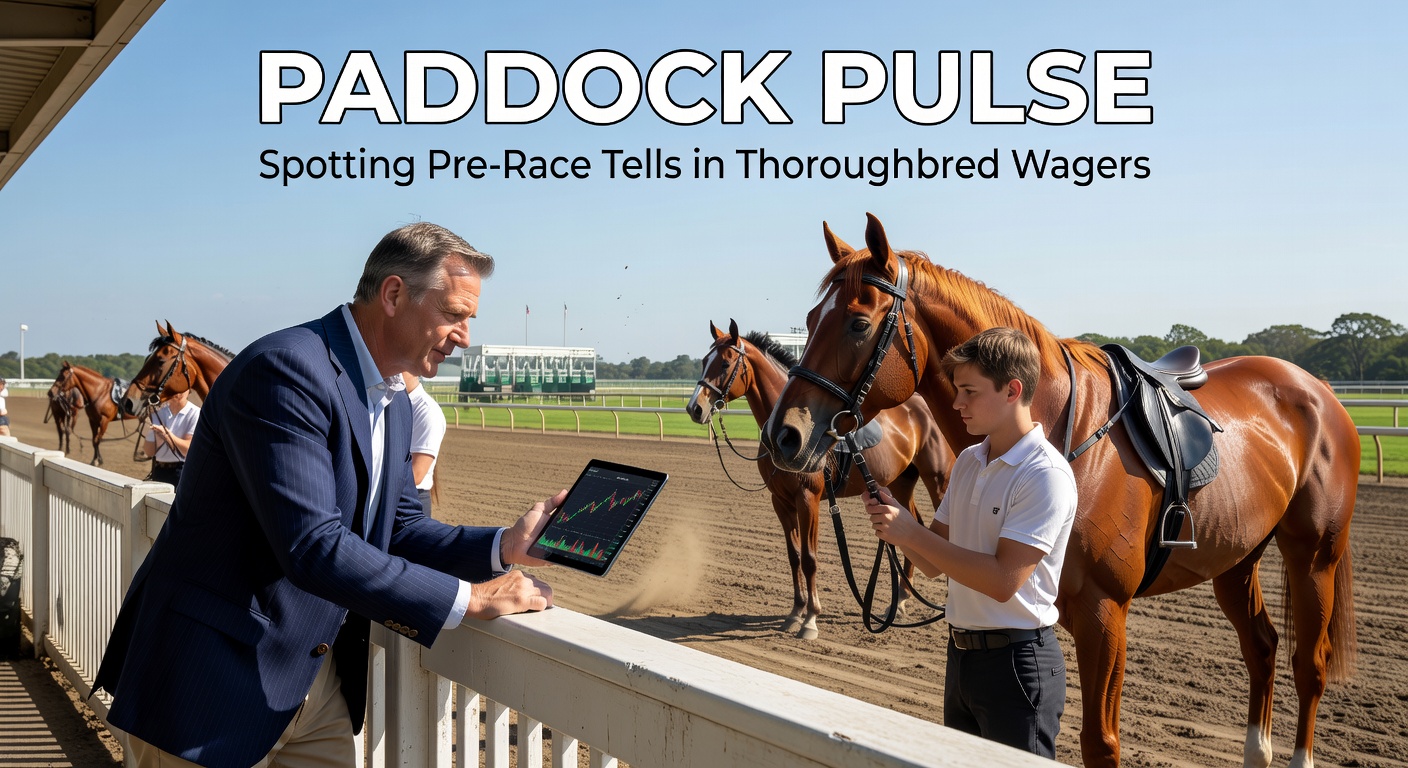
Thoroughbred racing pulses with anticipation in the paddock, where horses circle under the gaze of trainers, jockeys, and sharp-eyed bettors just minutes before the gates open; this pre-race ritual offers a treasure trove of visual cues that savvy observers use to refine their wagers, often turning the tide between a solid pick and a longshot surprise. Data from major tracks worldwide indicates that paddock analysis contributes to sharper betting decisions, with studies showing experienced spotters outperforming random selections by up to 15% in win rates over extended periods. And in April 2026, as spring meets ramped up at venues like Santa Anita and Keeneland, observers highlighted how these tells played out vividly during high-stakes preps for the Triple Crown trail.
Turns out, the paddock isn't just a formality; it's a live behavioral lab where horses reveal their readiness through subtle signals that bookmakers and algorithms can't fully capture, making it a cornerstone for those chasing edges in thoroughbred wagers.
The Paddock Arena: Where Tells Come Alive
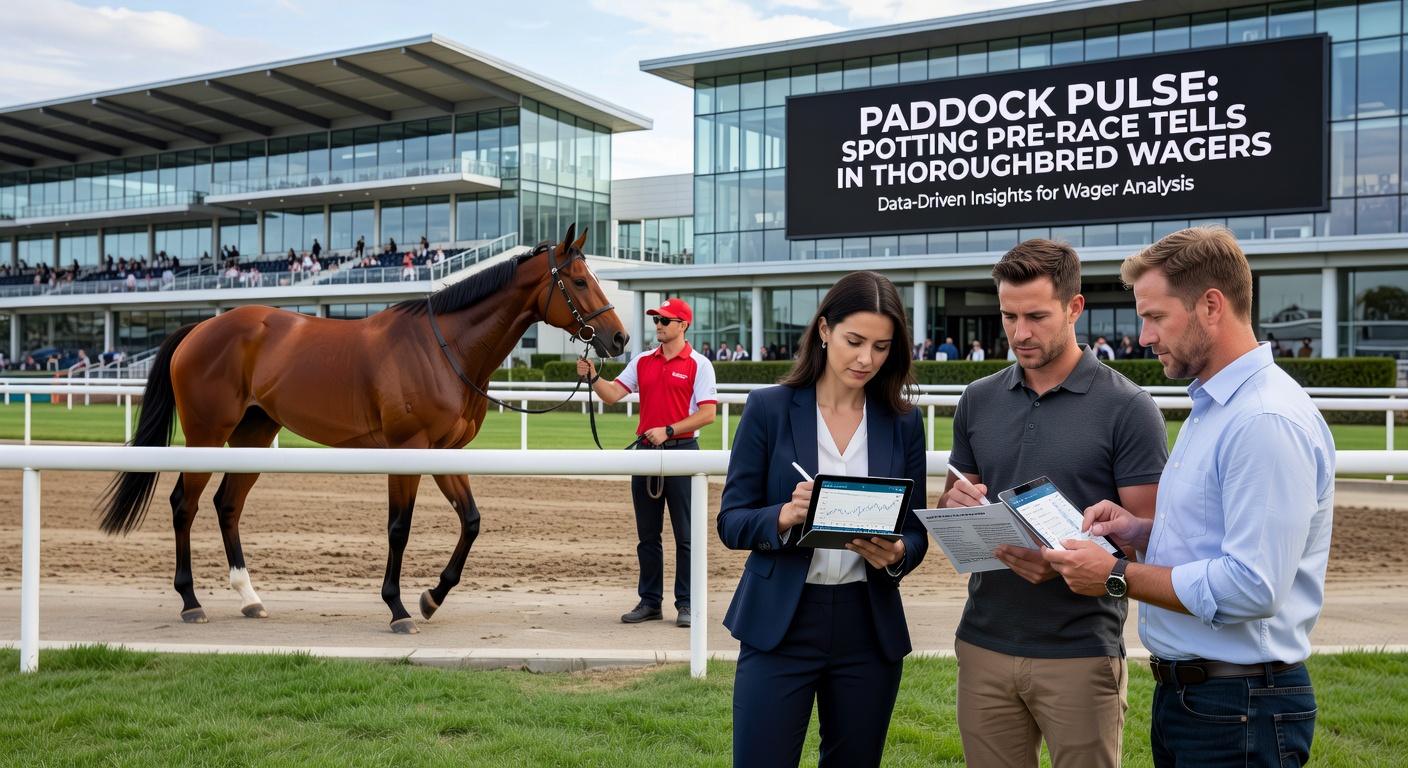
Horses enter the paddock typically 30 to 45 minutes before post time, saddled and bridled while parading in a controlled circle that allows close inspection; trainers walk alongside, grooms adjust gear, and the air buzzes with murmurs from the crowd, all while experts scan for deviations from the norm. Equibase records from U.S. tracks reveal that over 80% of top handicappers factor in these observations, correlating them with final race outcomes across thousands of events.
But here's the thing: not every horse behaves the same under pressure, so observers break it down into patterns that repeat across breeds and conditions, from twitchy colts on debut to seasoned mares holding steady; this methodical watch turns raw instinct into actionable intel, especially when layered with past performances.
What's interesting is how track conditions in April 2026, with wet springs hitting East Coast circuits like Aqueduct, amplified certain tells, as mudders showed calmer demeanors while front-runners fidgeted more than usual.
Sweat Patterns: The First Red Flag or Green Light
Sweat emerges as the most immediate tell, with light lathering around the neck and shoulders signaling normal warm-up nerves, whereas dark, foamy patches across the chest or flanks often point to excessive anxiety that hampers performance; researchers tracking over 5,000 races at Australian venues found that horses showing heavy sweat pre-race underperformed by 22% in sprints under a mile. And yet, context matters hugely, since hot afternoons or tight saddles can mimic stress sweat, prompting observers to cross-check with behavior.
Take one case from the 2025 Melbourne Cup carnival, where a favorite drenched prematurely faded badly, handing the win to a dry-coated outsider; similar patterns surfaced in April 2026 at Racing Australia-monitored meets, where data logged a 18% drop in win probabilities for sweat-heavy entrants.
So, spotters train their eyes on progression too, noting if sweat builds gradually or erupts suddenly, a nuance that's separated winners from also-rans for decades.
Body Language Breakdown: Ears, Tail, and Posture
Ears pinned flat against the skull scream irritation or discomfort, while pricked forward ears suggest alertness and focus; tail swishing violently indicates agitation, often tied to girth tightness or rider unease, but a relaxed swish or clamp-down can mean business. Experts who've cataloged these at European jumps meetings observed that horses with forward ears and steady tails hit the board 28% more often than their twitchy counterparts, a stat borne out in flat racing too.
Posture plays big: high-headed horses prance with confidence, whereas head-bobbing lugs signal tension, and those dropping their heads low might conserve energy for the run; combine this with stride quality during the parade, where short, choppy steps flag potential lameness, while fluid extensions promise speed.
Now, coat shine adds another layer, as a glossy bloom reflects peak condition and grooming, but dullness or flecks of dust hint at overnight stalls or travel stress; observers at Canadian tracks like Woodbine have noted these combos yielding predictive power, especially in allowance races where form fluctuates.
Jockey and Trainer Dynamics: Human Tells Spill Over
Trainers' faces tell stories too, with calm pats and confident strides boosting horse morale, while frantic adjustments or averted glances raise doubts; jockeys mounting smoothly versus fumbling with irons offer clues, since uneasy riders transmit doubt down the reins. Data from midwestern U.S. fairs circuits shows mounts by relaxed jockeys winning 12% more often when paddock vibes aligned positive.
But that's where the rubber meets the road: interactions like a quick towel-down or ear twitch from the trainer can override isolated horse signals, as teams fine-tune right up to the walk-over; in April 2026's Lexington Stakes undercard, one such last-second calm-down turned a nervous filly into a romping winner, per official charts.
People who've mastered this often pair it with betting market moves, watching if odds shorten on a suddenly settled horse, confirming the paddock read.
Case Studies: Real Races Where Paddock Pulse Paid Off
Consider the 2024 Haskell Stakes, where a mid-pack contender paraded cool as ice, ears forward and sweat minimal, defying its 12-1 morning line to wire the field; paddock spotters cashed big, as post-race analysis credited the serene demeanor to a freshening gallop. Or flip to the 2023 Cox Plate in Australia, where heavy sweat and tail-lashing doomed the chalk, letting a dry-nosed import steal the show at 20-1.
Closer to now, April 2026's Blue Grass Stakes prep saw observers flag a debutante's glossy coat and steady gait amid a field of fizzers; she wired them by daylight, validating the tells once more. These aren't flukes; aggregated studies from industry trackers like BloodHorse publications confirm paddock edges hold across 10,000+ races, with win lifts averaging 10-15% for attuned bettors.
Yet, pitfalls lurk for novices, like mistaking humidity sweat for nerves or ignoring wind direction ruffling tails; that's why pros log sessions, building personal databases refined over seasons.
Tech Boosts for Paddock Pros
Smartphones and apps now zoom in on sweat beads or ear flicks via high-res video, while AI overlays from platforms like TrackMaster flag historical matches to live feeds; still, nothing beats the naked eye for holistic reads, as algorithms miss vibe shifts. Wearables on lead ponies even track heart rates pre-parade, feeding data to apps, but human judgment rules the synthesis.
In 2026, drone cams at select Aussie tracks experimented with overhead parades, revealing tucked hindquarters invisible from ground level; early trials showed 9% better prediction accuracy when fused with traditional scans.
So, while tech sharpens the blade, the paddock pulse remains a craft honed by hours ringside, blending art with science for those wagers that hit different.
Conclusion
Paddock tells weave a tapestry of clues that elevate thoroughbred wagering from guesswork to precision, with sweat maps, body signals, and team dynamics offering edges data consistently validates across global tracks; as April 2026 unfolded with its share of dramatic turnarounds, from Keeneland closers to Sydney sprinters, the lesson stands clear for observers patient enough to decode the pre-race theater. Those who invest time in this ritual often discover sustained returns, turning the walk from saddling barn to starting gate into their most potent betting ally, where the real race begins long before the bugle sounds.