How Dietary Supplement Trends Among Athletes Alter Expected Performance Thresholds in Endurance-Based Competitions
Henrik Sullivan · Jun 11, 2026
How Dietary Supplement Trends Among Athletes Alter Expected Performance Thresholds in Endurance-Based Competitions
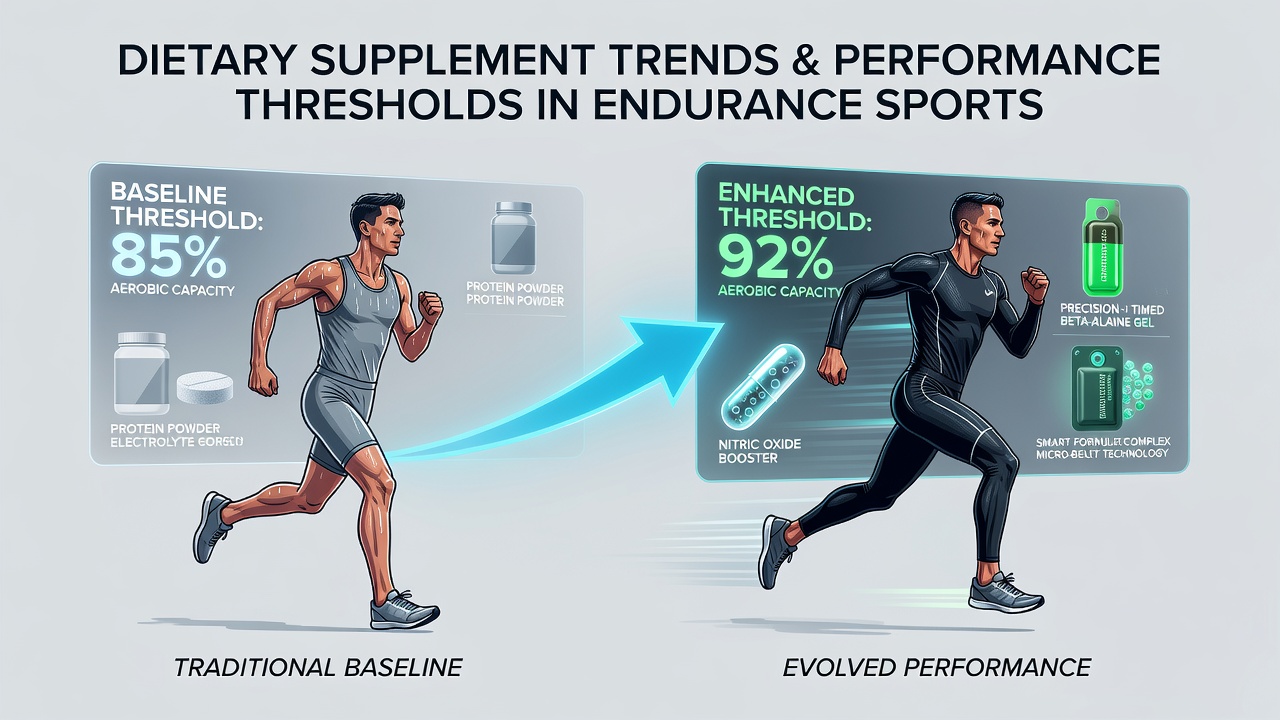
Endurance athletes have increasingly turned to dietary supplements in recent years, and data from competition records show measurable shifts in performance thresholds like lactate accumulation points and time-to-exhaustion markers. These changes appear across marathons, cycling stage races, and triathlons where athletes now sustain higher outputs for longer durations compared with baseline expectations from earlier decades.
Key Supplement Categories Driving Threshold Shifts
Researchers tracking usage patterns note that nitrate-rich beetroot products, beta-alanine, and caffeine stacks feature prominently in athlete protocols. Studies indicate these compounds delay the onset of blood lactate accumulation by 3 to 7 percent in trained individuals, allowing competitors to maintain race paces that previously triggered early fatigue. Electrolyte formulations combined with carbohydrate gels further stabilize hydration metrics, which directly extends sustainable effort windows during events exceeding two hours.
Observers monitoring professional pelotons in June 2026 report widespread adoption of personalized dosing schedules based on sweat analysis and genetic profiling. Such approaches refine sodium and potassium intake, reducing cramp incidence and preserving power output in the final stages of long races. Data collected from Ironman events shows athletes using these targeted protocols recording average improvements in run-split times of 2 to 4 minutes over previous seasons.
Physiological Mechanisms Behind Altered Thresholds
Nitrates convert to nitric oxide, which enhances blood flow and mitochondrial efficiency, while beta-alanine buffers muscle acidity through elevated carnosine levels. When athletes combine these with strategic caffeine timing, ventilatory thresholds rise and perceived exertion drops. Research published through institutions like the Australian Institute of Sport documents these cumulative effects in controlled trials involving elite cyclists and runners.
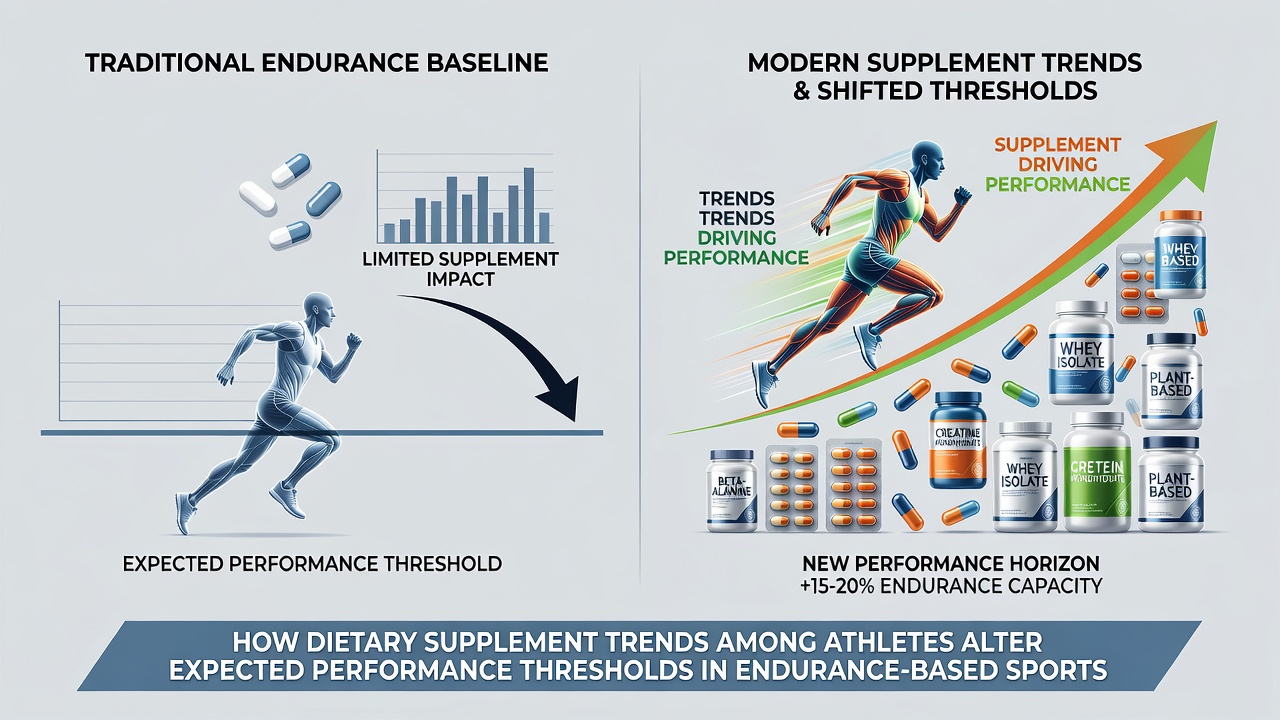
Recovery compounds such as omega-3 fatty acids and collagen peptides support tendon and muscle repair, shortening the interval between hard training blocks. This compressed recovery timeline permits higher weekly training loads without proportional increases in injury rates, which in turn elevates baseline fitness markers that competitions later reflect. Figures from longitudinal athlete monitoring programs reveal consistent upward trends in VO2 max values among supplement-adherent cohorts.
Regulatory Context and Competition Integrity
Governing bodies maintain strict lists of prohibited substances, and athletes must verify third-party testing for every product. The Therapeutic Goods Administration in Australia and the U.S. Food and Drug Administration both issue guidance on contamination risks that could inadvertently breach anti-doping rules. Event organizers in 2026 continue to require declaration of supplement use in medical forms, creating clearer audit trails for performance data interpretation.
Academic analyses from Canadian sport science centers highlight how even legal supplements produce statistically significant deviations from historical performance models. These deviations necessitate updated prediction algorithms for race organizers and medical staff who monitor athlete safety during extreme conditions.
Observed Impacts in Major Events
Stage races and ultra-distance events provide the clearest evidence of threshold movement. Cyclists who integrate nitrate loading protocols sustain higher wattage outputs on climbs without crossing individual anaerobic thresholds earlier than expected. Runners in championship marathons display tighter pacing distributions in later kilometers, correlating with documented increases in intra-race carbohydrate and electrolyte supplementation.
Triathlon federations report that transitions between disciplines now occur with less physiological disruption when athletes employ consistent supplement timing across swim, bike, and run segments. Medical teams note reduced instances of gastrointestinal distress linked to refined product formulations introduced in recent seasons.
Conclusion
Performance thresholds in endurance competitions continue to evolve alongside supplement practices that athletes adopt under medical supervision. Objective data from multiple governing agencies and research groups demonstrate measurable extensions in sustainable effort capacity, altered lactate profiles, and improved recovery metrics. These developments require ongoing updates to competition standards and athlete education programs to maintain both safety and fairness across all events.