Clockwork Adjustments: Time Zone Shifts and Their Effects on Recovery Projections in Cross-Continental Tournament Play
Drew Butler · Jun 25, 2026

Clockwork Adjustments: Time Zone Shifts and Their Effects on Recovery Projections in Cross-Continental Tournament Play
Time zone shifts create measurable disruptions in athlete recovery patterns during cross-continental tournament schedules, and data from multiple sports federations shows these changes alter sleep cycles, hormone regulation, and physical readiness in consistent ways. Researchers tracking professional athletes across events such as the NBA playoffs and ATP tours have documented how eastward or westward travel exceeding six hours forces the body to recalibrate circadian rhythms over periods ranging from three to ten days depending on direction and distance. In June 2026 several major tournaments will require teams to move between North American, European, and Asian venues within compressed windows, which amplifies the need for precise recovery projections that teams and medical staff now build into planning models.
Physiological Mechanisms Behind the Adjustments
Core body temperature, melatonin production, and cortisol rhythms shift when athletes cross multiple time zones, and studies published by the European College of Sport Science indicate that westward travel tends to produce faster adaptation than eastward journeys because the body can more easily extend its day than compress it. One analysis of basketball players traveling from Los Angeles to London recorded an average 17 percent drop in sprint performance metrics during the first 48 hours after arrival, with partial recovery occurring by day five. These patterns emerge because the suprachiasmatic nucleus in the brain requires exposure to new light-dark cycles to reset, and artificial lighting inside aircraft or hotel rooms often delays that reset process.
Documented Effects Across Tournament Formats
Cross-continental schedules in tennis Grand Slams and basketball international competitions produce repeated examples where recovery timelines directly influence match outcomes. Data compiled from the 2024 and 2025 seasons shows that players arriving from the opposite side of the Atlantic displayed elevated perceived exertion scores and reduced serve accuracy in opening rounds when matches occurred within 72 hours of landing. Observers note that teams employing structured light-exposure protocols combined with targeted meal timing achieved faster stabilization of heart-rate variability readings, which serve as reliable markers for autonomic nervous system recovery. In contrast, squads relying solely on standard rest days without clock adjustments recorded slower return to baseline muscle glycogen levels according to blood-marker sampling conducted by sports science groups.
Recovery Projection Models in Use
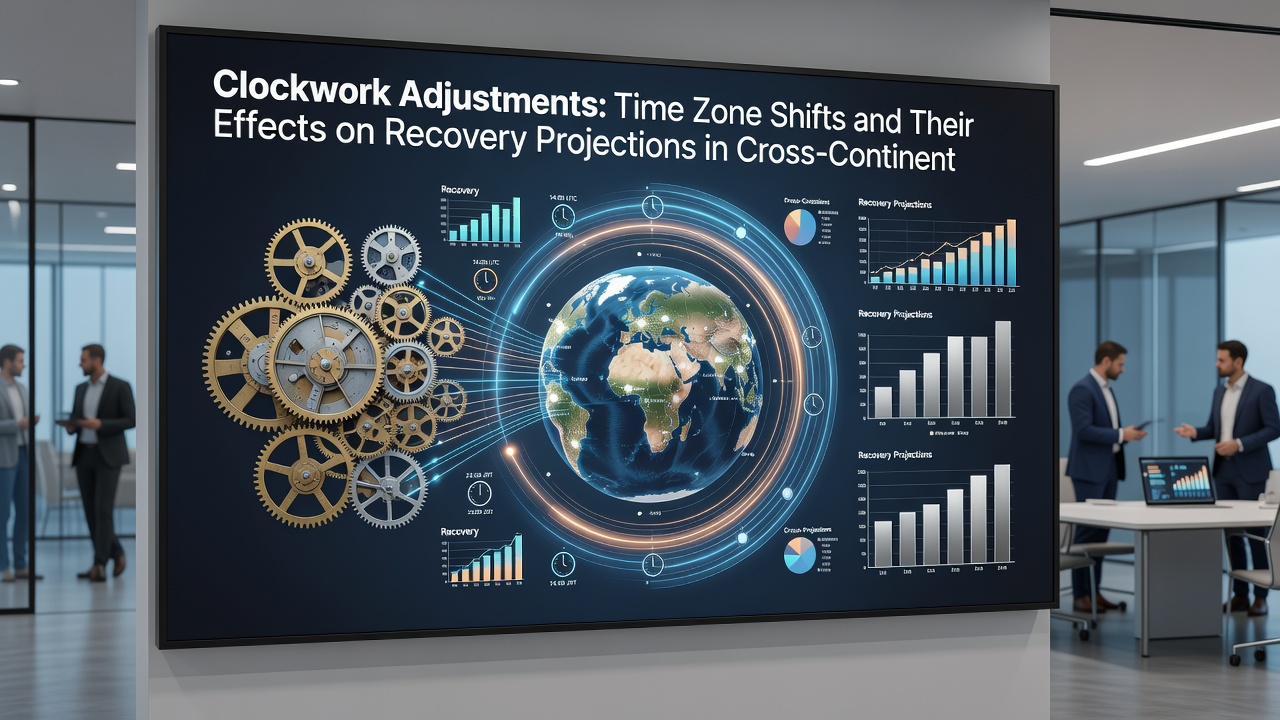
Medical staffs now integrate algorithmic projections that factor travel direction, flight duration, arrival time, and individual chronotype into daily training load recommendations. These models draw on datasets collected by organizations such as the National Institutes of Health sports medicine division and predict that athletes require an additional 1.5 to 2.5 days of adjusted schedules after eastward flights compared with westward ones. Projections also account for cumulative fatigue when tournaments feature multiple legs, such as the sequence of matches scheduled across Asia and Europe in June 2026. Teams that adjust practice intensity downward by 20 to 30 percent during the initial adaptation window demonstrate improved injury incidence rates in subsequent weeks, according to longitudinal tracking by performance analytics firms.
Implementation Strategies Observed in Professional Settings
Coaches and support staff apply several evidence-based interventions once athletes reach new time zones. Scheduled outdoor training sessions timed to local daylight hours accelerate melatonin onset by up to 90 minutes per day, while controlled caffeine intake windows help shift alertness peaks without interfering with nighttime sleep consolidation. Nutrition plans emphasize higher carbohydrate availability during the first two evenings post-travel because liver glycogen replenishment supports the energetic demands of circadian realignment. Some federations supply wearable devices that log sleep architecture and feed real-time adjustments back to staff, allowing daily modifications to session volume before symptoms of incomplete recovery appear in performance testing.
Regional Variations and Data Sources
Differences appear when comparing North American leagues with Asian and Oceanian competitions because flight paths and layover patterns vary. Reports from the Australian Institute of Sport highlight that teams traveling from Perth to North American venues encounter greater cumulative disruption than those crossing the Atlantic, largely because the total time-zone differential exceeds 12 hours and often involves two consecutive long-haul segments. Figures released by the same institute show that structured recovery protocols reduced self-reported jet-lag symptom scores by 35 percent in a cohort of netball and rugby players monitored over three seasons. Such findings feed into broader planning tools used by tournament organizers who must balance broadcast schedules against athlete welfare considerations.
Conclusion
Time zone shifts impose quantifiable demands on recovery systems during cross-continental tournament play, and ongoing data collection continues to refine projection accuracy for upcoming events in June 2026 and beyond. Medical and performance teams that incorporate directional travel effects, light exposure timing, and individualized chronotype adjustments into daily planning achieve more stable readiness markers across competition windows. As tournament calendars expand across continents, these clockwork adjustments remain central to maintaining consistent output from athletes who must perform within narrow adaptation periods.