Charting Equipment Upgrade Cycles and Their Ripple Effects on Precision Performance Thresholds in Targeted Athletic Markets
Drew Schmid · Jun 18, 2026
Charting Equipment Upgrade Cycles and Their Ripple Effects on Precision Performance Thresholds in Targeted Athletic Markets
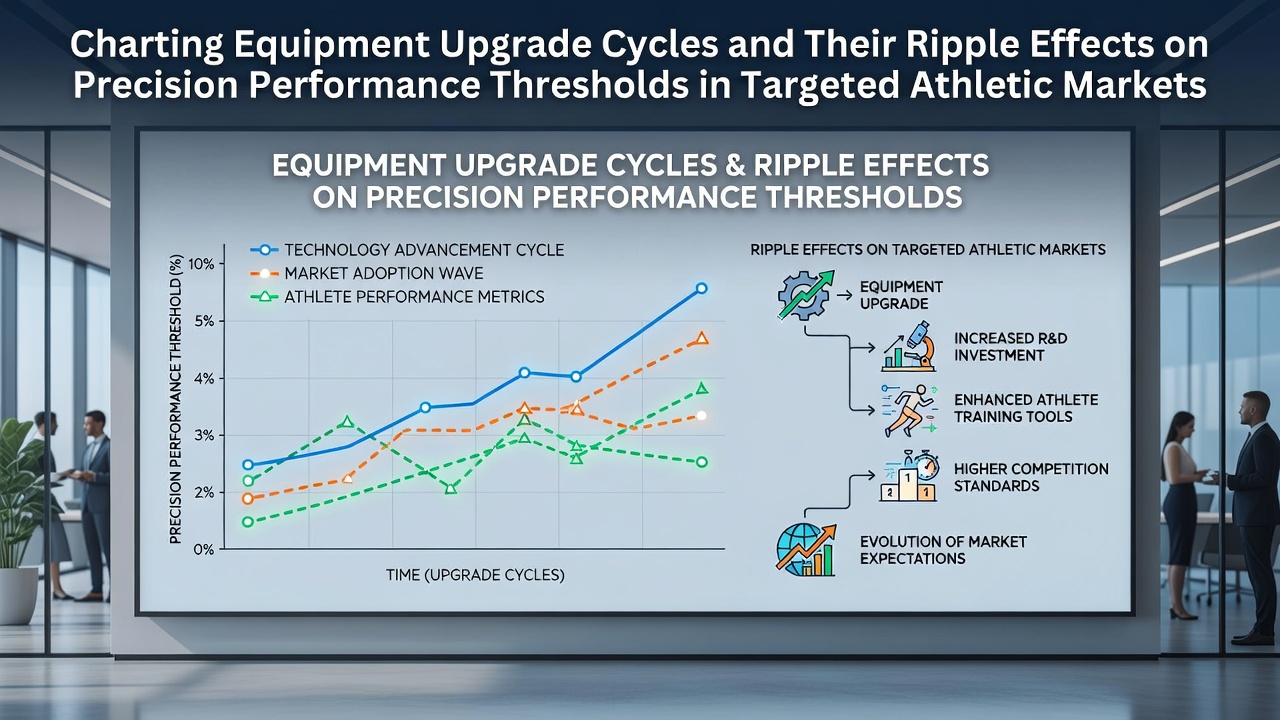
Equipment upgrade cycles in precision-focused athletic markets follow patterns driven by material science advances, manufacturing refinements, and regulatory adjustments from governing bodies. These cycles typically span two to five years depending on the sport, with data from the Australian Sports Commission showing that elite cycling and archery programs initiate reviews every 36 months on average when new composite materials reach certification thresholds. Researchers at institutions like the University of British Columbia have documented how these timelines influence performance baselines because incremental changes in equipment stiffness, weight distribution, and sensor integration alter the measurable limits athletes can achieve under standardized testing protocols.
Defining Upgrade Cycles Across Precision Sports
Targeted athletic markets such as road cycling, golf, tennis, and archery experience distinct upgrade rhythms because each discipline ties equipment specifications directly to scoring precision and repeatability metrics. In cycling, frame geometry adjustments and wheel aerodynamics receive priority during upgrade phases, whereas golf focuses on club face milling tolerances and shaft torque ratings. Observers note that these cycles accelerate when international federations release updated equipment approval lists, as happened in early 2026 when several governing organizations incorporated new testing criteria for vibration damping systems. The result creates synchronized replacement waves across professional teams and national training centers because athletes must adapt to revised performance envelopes or risk falling below established qualification thresholds.
Performance Threshold Shifts in Elite Competition
Precision performance thresholds represent the quantifiable margins separating competitive outcomes, and equipment upgrades directly recalibrate these boundaries through measurable changes in consistency and error reduction. Studies from the Canadian Sport Institute Pacific indicate that upgraded tennis racket stringing systems with variable tension mapping reduced unforced error rates by 7 to 12 percent in controlled match simulations conducted through spring 2026. Similar patterns appear in archery where limb material upgrades and sight calibration tools have narrowed group dispersion measurements at 70-meter distances, prompting scoring adjustments in national championship formats. Data compiled by European Athletics technical committees further reveals that pole vault equipment iterations involving grip texture and pole flex indexing have contributed to incremental height gains during the 2025-2026 season, with several athletes crossing previous personal thresholds after adopting certified models.
Market-Specific Ripple Effects
Ripple effects extend beyond individual athletes to reshape training methodologies, coaching protocols, and equipment supply chains within targeted markets. In the golf equipment sector, manufacturers align release schedules with major tournament calendars, creating concentrated upgrade activity around June 2026 events where new driver models featuring refined face thickness variations entered circulation. This timing influenced how players recalibrated launch angle expectations and spin rate targets because the new specifications altered carry distance consistency under varying wind conditions. Targeted markets also experience secondary effects on junior development programs, where access to upgraded gear influences talent identification thresholds and progression timelines because younger athletes train against equipment standards previously reserved for senior competition levels.
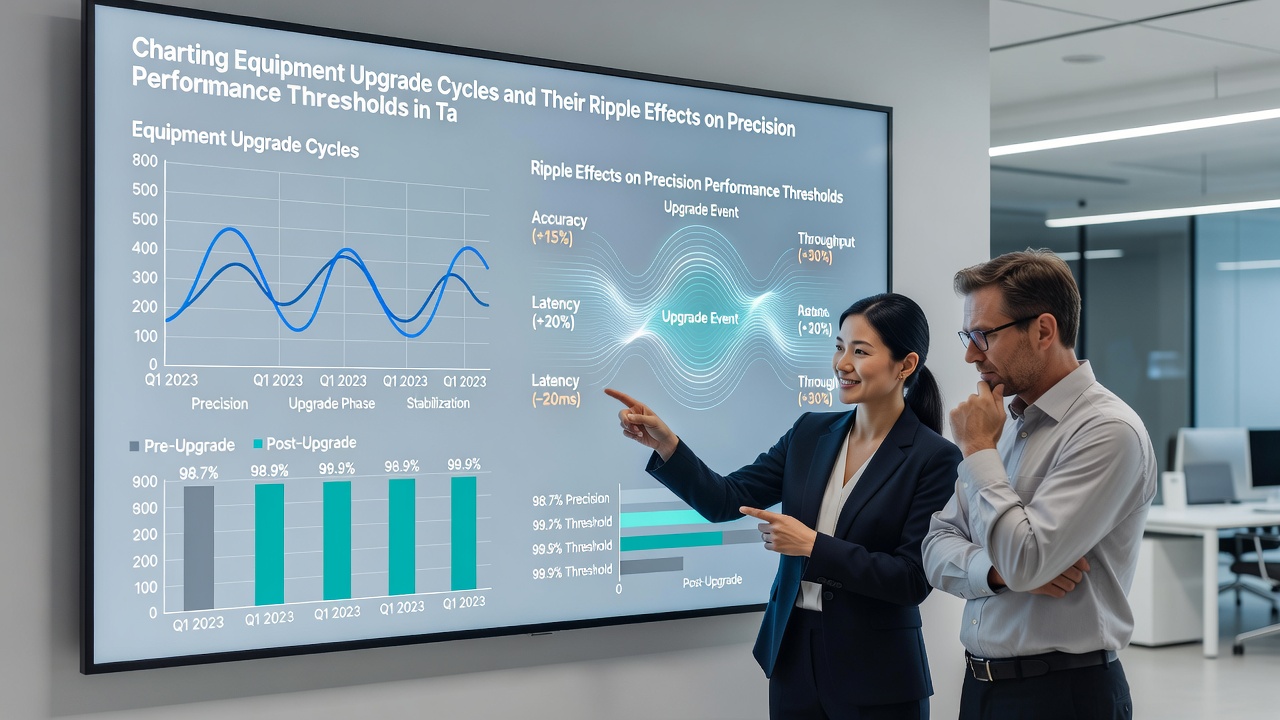
Supply chain adjustments follow these cycles as well, with component suppliers scaling production ahead of anticipated demand spikes. Reports from the Sports & Fitness Industry Association document that archery bow riser manufacturers increased output by 18 percent in the first half of 2026 to meet orders from regional federations preparing for qualification events. Such scaling affects pricing structures and availability timelines, which in turn influences how national programs budget for equipment refreshes while maintaining compliance with international measurement standards.
Measurement Protocols and Data Integration
Modern upgrade evaluations rely on integrated sensor arrays and motion capture systems that quantify changes in precision metrics before and after equipment transitions. These protocols generate datasets that governing bodies use to establish new performance benchmarks, particularly when multiple athletes adopt similar upgrades simultaneously. Research teams at the Queensland Academy of Sport have tracked how cycling power meter recalibrations following crankset upgrades produce more granular torque data, enabling coaches to adjust pacing strategies in time-trial formats. The same datasets feed into predictive models that anticipate when current equipment configurations will reach obsolescence relative to emerging material technologies, creating planning horizons for both athletes and equipment developers.
Regulatory Influences on Cycle Timing
Regulatory frameworks from organizations such as the International Golf Federation and World Archery shape upgrade cycles by enforcing equipment conformity testing that determines when innovations become eligible for competition use. These rules establish clear windows during which athletes can transition without risking disqualification, and they also create incentives for manufacturers to time research and development investments accordingly. In June 2026, several federations published updated compliance guidelines that incorporated new fatigue testing requirements for composite components, prompting accelerated review processes among professional squads preparing for end-of-year qualification cycles. The regulatory layer adds predictability to upgrade patterns while simultaneously raising the technical bar for what constitutes acceptable performance gains.
Conclusion
Equipment upgrade cycles continue to intersect with precision performance thresholds through measurable technical changes and structured evaluation processes across targeted athletic markets. Data from multiple research and industry sources demonstrates consistent patterns where material and design refinements recalibrate competitive boundaries, prompting adjustments in training, supply, and regulatory oversight. As measurement technologies advance and federations refine approval criteria, these interactions remain central to how athletic markets evolve performance standards over successive seasons.