Acoustic Echoes in Stadiums: Shaping Spectator Behavior and Real-Time Odds in Enclosed Events
Henrik Sullivan · Aug 16, 2026
Acoustic Echoes in Stadiums: Shaping Spectator Behavior and Real-Time Odds in Enclosed Events
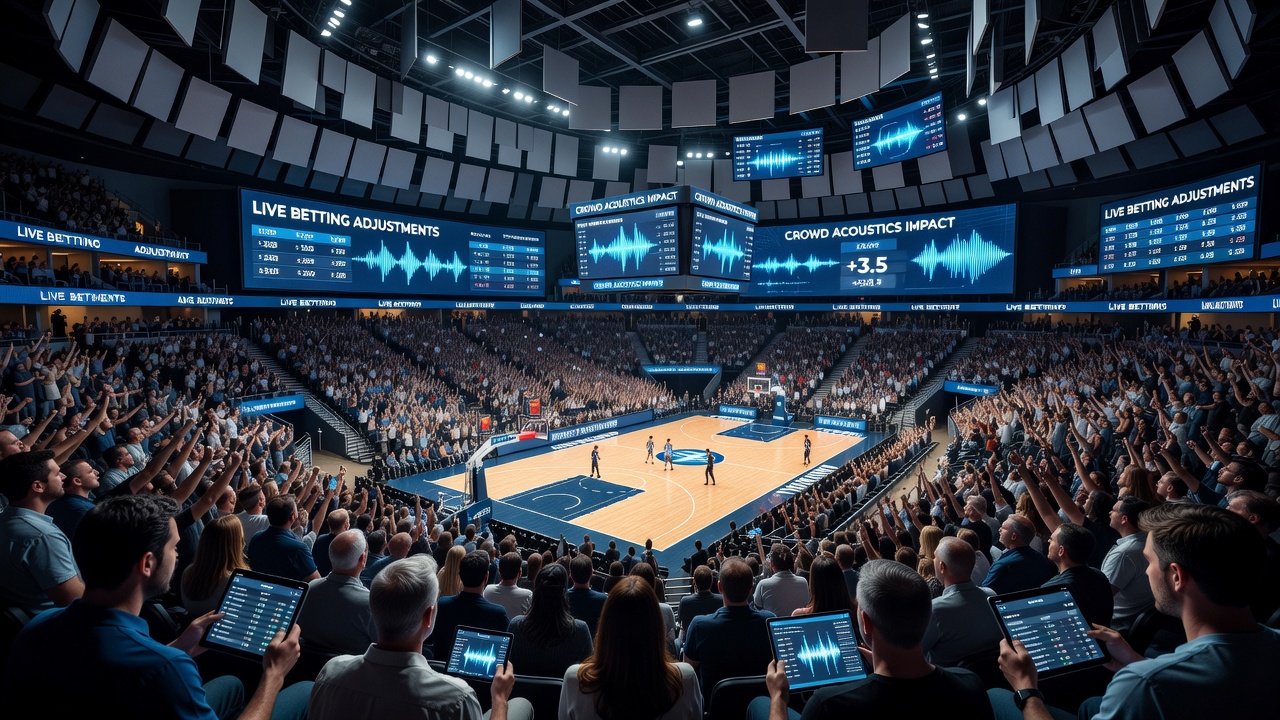
Enclosed sports venues rely on specific architectural features that control how sound travels through large spaces filled with spectators, and those same features often create measurable shifts in how crowds respond during games which in turn prompt bookmakers to recalibrate live betting lines.
Researchers at institutions focused on building acoustics have documented that reflective surfaces, curved ceilings, and material choices determine whether cheers amplify or dissipate quickly, producing environments where noise levels can exceed 110 decibels for sustained periods in certain arenas while remaining noticeably lower in others with heavy absorption panels.
Sound Propagation Patterns Inside Modern Arenas
Design teams incorporate angled walls and suspended baffles to direct sound toward seating areas rather than letting it escape upward, which produces concentrated pockets of noise that encourage further vocal participation from fans seated nearby; this feedback loop strengthens when the structure traps low-frequency sounds from drums and chants while allowing higher frequencies from individual shouts to carry farther across the court or rink.
Data collected from multiple North American basketball facilities shows that arenas built after 2015 with updated acoustic modeling maintain average sound pressure levels 8 to 12 decibels higher during critical game moments compared with older venues that feature more porous materials, and those elevated readings correlate with increased player communication difficulties reported by coaching staffs in post-game reviews.
Crowd Movement and Behavioral Responses to Controlled Acoustics
When sound lingers longer because of reflective geometry, spectators tend to synchronize their reactions more readily, creating waves of standing and sitting that move through sections in coordinated patterns rather than isolated bursts; facility operators have noted that these synchronized movements increase foot traffic along concourses during timeouts and halftime, which security teams monitor through sensor arrays to adjust flow management.
Studies conducted by venue engineering groups indicate that arenas with shorter reverberation times experience quicker drops in crowd intensity after scoring plays, whereas longer decay times sustain energy and prompt repeated surges in noise that can extend for several seconds beyond the action on the floor.
Adjustments in Live Betting Markets Triggered by Venue Acoustics
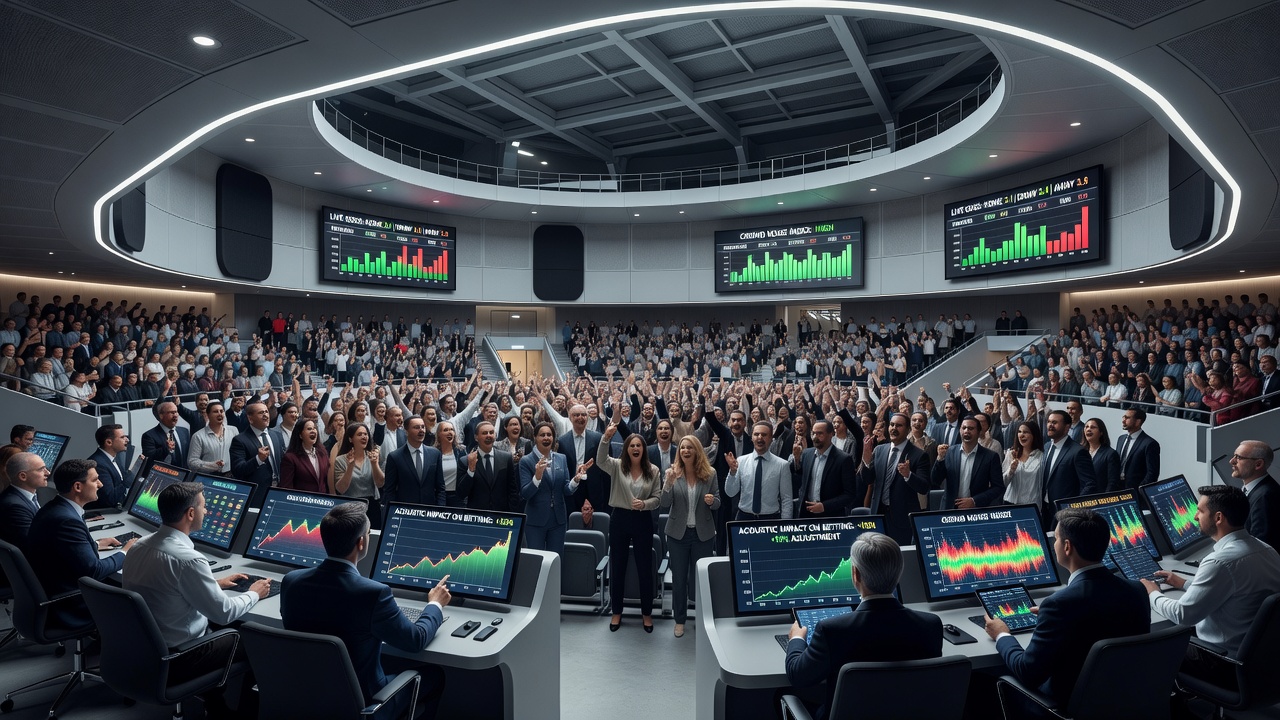
Oddsmakers monitoring enclosed events receive real-time audio feeds alongside video and statistical streams, allowing them to detect when sustained crowd volume coincides with momentum swings that affect possession rates or defensive efficiency; these acoustic cues often lead to rapid line movements on player props and team totals because algorithms incorporate noise intensity as a proxy variable for home-team performance uplift.
Records from major sportsbooks operating across the United States and Canada reveal that live betting volume on in-game spreads spikes by 15 to 20 percent during periods when arena sound meters register above-average decibel readings, while similar spikes appear less frequently in venues engineered for rapid sound absorption.
According to research published by the Acoustical Society of America, the interaction between architectural acoustics and spectator behavior produces predictable patterns that data analysts now factor into predictive models used by professional sports organizations and wagering platforms alike.
Examples from Recent Seasons and August 2026 Observations
During the 2025-2026 basketball schedule, several teams playing in newly renovated domes reported measurable changes in defensive communication metrics on nights when acoustic upgrades had been activated, and those same nights produced corresponding shifts in live odds that favored the home side more strongly than pre-game projections had indicated.
Industry reports compiled through August 2026 show that venues hosting overlapping concert and sports events adjusted their acoustic configurations between uses, resulting in distinct crowd response profiles that betting operators tracked separately to refine their in-game adjustment protocols.
Conclusion
Architectural acoustics in enclosed sports venues therefore function as an active variable that shapes both the physical movements of crowds and the quantitative adjustments made by live betting systems, with ongoing measurements from multiple facilities providing the data needed to refine these connections further as venue designs continue to evolve.