2026 FIFA World Cup Sets New Record as Most-Wagered Sporting Event Amid Major Gambling Partnerships
Henrik Sullivan · Jul 19, 2026

2026 FIFA World Cup Sets New Record as Most-Wagered Sporting Event Amid Major Gambling Partnerships
Projections place total wagers on the 2026 FIFA World Cup at nearly $600 billion, establishing the tournament as the highest-bet sporting event on record, and figures reveal extensive partnerships between FIFA and prediction markets plus gambling operators that include ADI PredictStreet as the official prediction market partner along with Kalshi and Betano.
These arrangements produce widespread in-game promotions and broadcast advertising while New York’s “Take a Pause” initiative counters the expansion with public health messaging aimed at fans and broader audiences, and data from multiple outlets trace the commercialization trends that accompany the event.
Record Betting Projections Define the Tournament Scale
Analysts project wagers reaching as high as $593 billion across legal and illegal channels during the 2026 tournament, and statistics cited in coverage indicate illegal operators may capture around 69 percent of that volume while legal platforms handle the remainder through regulated markets in participating regions.
Those projections build on prior growth patterns in sports betting that accelerated after major league expansions and digital platform adoption, whereas the 2026 event combines expanded host nations and integrated prediction tools that allow real-time market participation throughout matches.
FIFA Partnerships Drive Advertising Integration
FIFA established formal ties with ADI PredictStreet, Kalshi, and Betano that embed prediction market features and betting promotions directly into match broadcasts and digital streams, and observers note these deals generate high-visibility placements that appear during live play and halftime segments across global feeds.
Commercial arrangements position the operators as official partners, which results in branded content appearing alongside official tournament graphics and sponsor segments, and reports show the integration extends to in-app notifications and interactive elements that viewers encounter on connected devices during games.
Public Health Campaigns Respond to Expanded Exposure
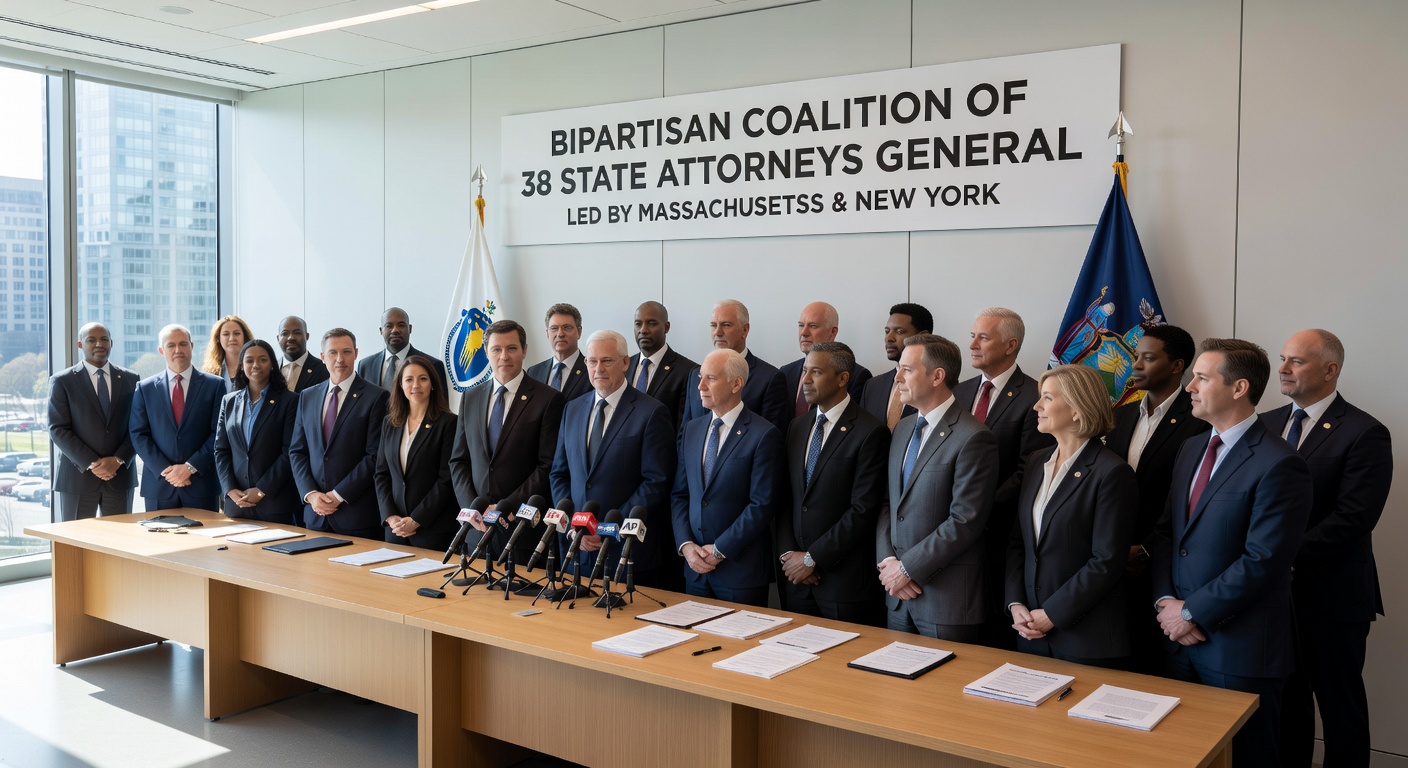
New York launched the “Take a Pause” initiative specifically to address rising sports betting visibility tied to the World Cup, and program materials deliver messages that encourage fans to set limits and recognize signs of problematic gambling during the extended tournament schedule.
State health officials coordinate with community organizations to distribute resources that accompany broadcast coverage, while similar efforts appear in other jurisdictions where legal betting markets operate and where tournament advertising reaches large audiences through television and streaming platforms.
Commercialization Raises Structural Questions for the Sport
Partnerships between governing bodies and gambling entities create new revenue streams that support tournament operations and player development programs, yet the scale of advertising prompts regulatory reviews in multiple markets that examine consumer protection standards and advertising frequency rules.
Industry data tracks how in-game promotions and prediction tools alter viewer engagement patterns, and research from public health groups documents increased calls to helplines during periods when major events coincide with heavy promotional activity across screens.
Global Market Dynamics Shape Participation Patterns
Legal betting volumes concentrate in jurisdictions that authorize sports wagering and prediction contracts, whereas illegal markets operate through offshore platforms that bypass local licensing requirements and attract participants who seek higher odds or fewer restrictions during the tournament window.
Projections published by industry analysts link the overall figure to broader adoption of mobile betting apps and real-time data feeds that allow continuous market activity from the opening matches through the final, and those sources connect the growth trajectory to regulatory changes implemented in key territories ahead of 2026.
According to figures referenced in coverage of the event, the combination of official partnerships and expanded digital access produces the highest aggregate handle recorded for any single competition, surpassing previous benchmarks set by earlier World Cup editions and other global sporting spectacles.
Conclusion
The 2026 FIFA World Cup therefore operates at the intersection of record projected betting activity, formal commercial partnerships that embed gambling operators into tournament presentation, and targeted public health responses designed to mitigate associated risks for audiences worldwide, with data continuing to evolve as matches unfold across host venues.